How Long a PUBG Montage Actually Takes to Make
An honest time audit of a three-minute montage, broken down by stage — and why the stage that eats the most hours is the one nobody enjoys.
 GamingCap team3 min read
Ask AI about this guide
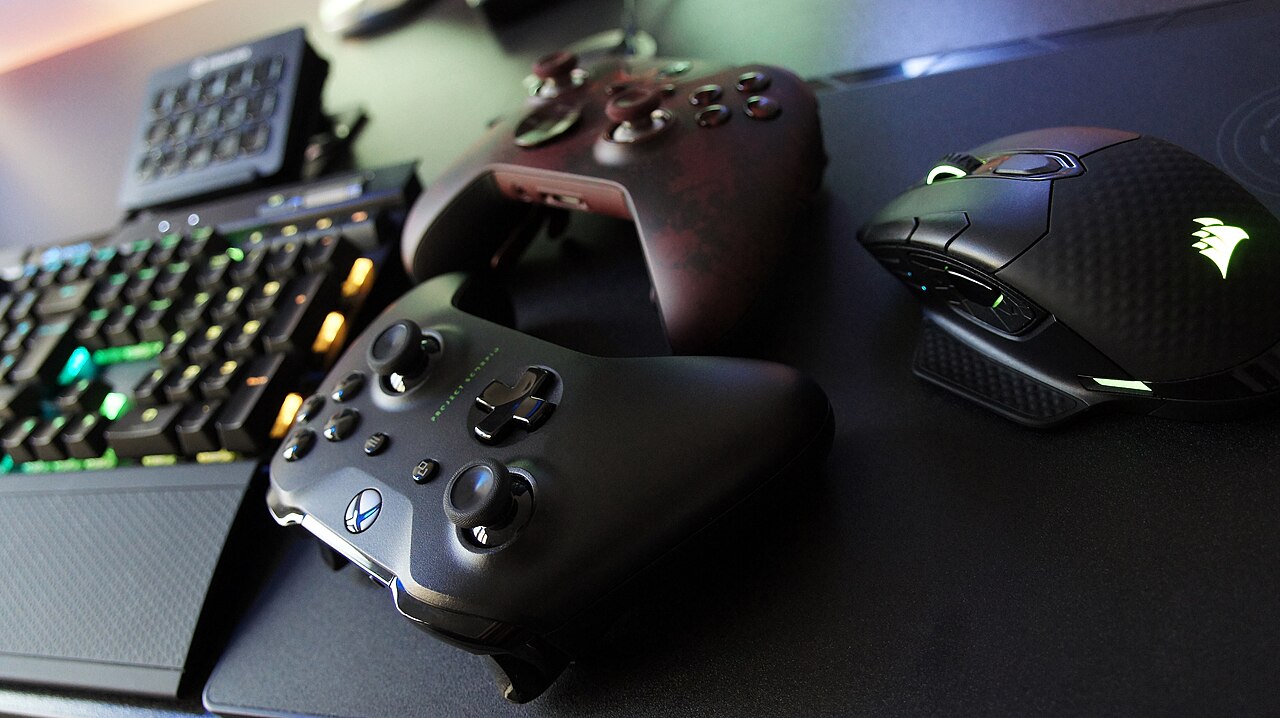
Photo: Jean-Marc Trappler, CC BY-SA 4.0, via Wikimedia Commons
In this guide
Ask ten people how long a montage takes and you get ten answers, mostly wrong. Not because anyone is lying, but because nobody counts the hours they spent scrubbing footage — that time feels like nothing, right up until you realise the evening is gone.
Here is a realistic audit for a three-minute montage from a week of recordings.
Recording: 0 hours
You were playing anyway. If your capture is running in the background, this stage costs nothing beyond disk space.
The trap is recording selectively — only hitting the button when something looks promising. You will miss more than you catch, and the moments you miss are usually the unplanned ones worth keeping.
Reviewing: 3 to 5 hours
This is the number people leave out.
A week of casual play is easily eight to twelve hours of footage. Reviewing it properly — not skimming, actually watching enough to judge — runs at somewhere near half real time once you are scrubbing and jumping back. Call it four hours for a normal week.
Four hours, to produce a list of maybe fifteen timestamps.
It is also the least rewarding four hours in the whole process. Nothing you do here makes the montage better; it only makes the montage possible. And it is where projects stop, because “I’ll do it tomorrow” is very easy to say about admin and very hard to say about editing.
Cutting: 2 to 3 hours
The enjoyable part. Trimming clips to their two or three useful seconds, ordering them so the montage builds, aligning cuts near the beat.
This is real craft and it improves with practice. A montage you would have spent five hours cutting a year ago takes two now, and looks better.
Colour, effects, titles: 1 to 2 hours
Optional, and the first thing to cut when time is short. A well-cut montage with no grading beats a badly-cut one with a LUT on it.
Export and upload: 30 minutes, mostly waiting
Machine time rather than your time, though a wrong export setting means doing it twice.
The total, and the part worth changing
Seven to ten hours for three minutes of video. More than half of it before you open an editor.
Look at where that time sits. Cutting, colour and titles are skill — they get faster as you improve, and the hours spent there show up in the result. Review is not skill. It takes the same four hours on your fiftieth montage as your first, and nobody watching can tell whether you spent them.
That asymmetry is the whole argument for changing how review works. Getting faster at editing is a year of practice. Removing review is a change in tooling.
What that looks like in practice
GamingCap reads recordings you already have and marks the eliminations, so you arrive at your editor with a list of timestamps instead of a folder of raw files. The four hours become a few minutes of checking a shortlist.
It does not record your gameplay and it does not sit over the game — it works on the files afterwards, which is precisely the part nobody wants to keep doing by hand.
You can try it free for 24 hours, no card needed. If you make montages regularly, tell us what it misses: that feedback shapes what it detects next.
Keep reading
 Montage
PUBG Mobile Kill Montage: A Step-by-Step Guide
Go from full match recordings to a finished PUBG Mobile kill montage: recording, finding your kills, choosing and ordering clips, music and export.
 Guide
GuideCheck the BGMI Kill Feed After an Update Before Making a Montage
Explain why UI scale, language, name styling and event-mode overlays can affect any workflow that reads the kill feed.
 Comparison
Best BGMI Montage Maker Apps Compared (2026)
GamingCap, VN, DaVinci Resolve, CapCut and Medal compared for BGMI kill montages: what each does best, where each falls short, and what it costs.